Solar Distribution Project 2026 – Hanumanjula
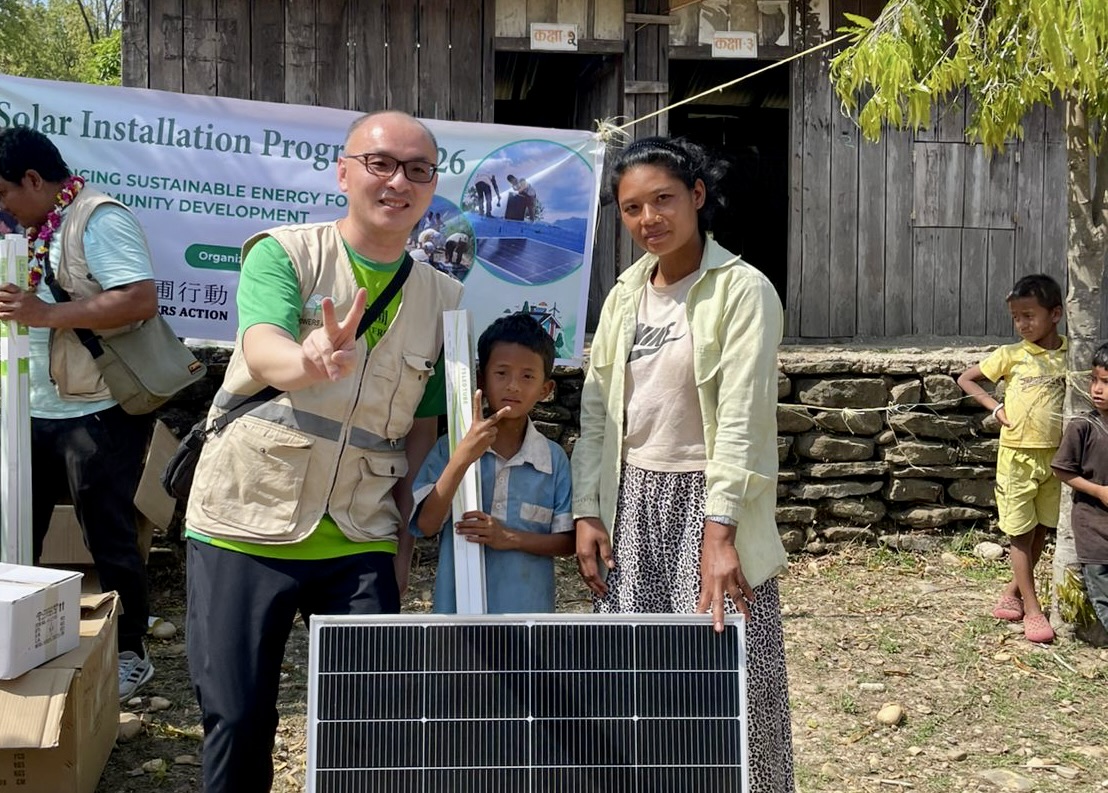
Solar Distribution Project 2026 – Hanumanjula
Hanumanjula, a remote settlement located within Chitwan National Park in Madi Municipality–09, Chitwan District, faces significant challenges due to the absence of a government electricity grid. The community is geographically isolated, and access to basic infrastructure remains extremely limited.
For many families in this area, electricity is not part of daily life. A large number of students live in homes without any form of lighting, making it nearly impossible to study after sunset. This lack of access to light directly impacts their academic performance and limits their long-term educational opportunities.
Local schools and the health post were previously supported with solar panels. However, these systems have become outdated and are no longer functioning effectively. Due to insufficient maintenance and lack of technical support, the existing solar infrastructure has deteriorated, leaving classrooms and essential health services without reliable power.
Recognizing this urgent need, solar lighting support has emerged as a critical intervention for the community. Providing solar lighting systems to students’ homes will enable them to continue their studies in the evening, enhancing both their learning experience and overall well-being. At the same time, upgrading solar systems in schools and the health post will create a more conducive learning environment and improve access to basic healthcare services.
Access to light is not a luxury—it is a fundamental necessity for education, health, and community development.